
Research Question
Can crystallographic B-factors help predict cross-docking difficulty and inform ensemble docking?
Why It Matters
Choosing suitable protein structures is an important part of a computational docking workflow.
My Role
My documented contributions include pipeline architecture, cross-docking, and ensemble-docking stages.
Methodology
The workflow combines protein-structure processing, molecular docking, and analysis of structural and docking measurements.
Results and Evidence
Project records include experiments on CDK1, CDK2, and trypsin, alongside analysis tables and visualizations.
Limitations
Docking and structural correlations are computational evidence, not clinical or experimental validation of a treatment.
Reflection and Next Steps
Add a pipeline diagram and a concise account of the findings and their limitations.
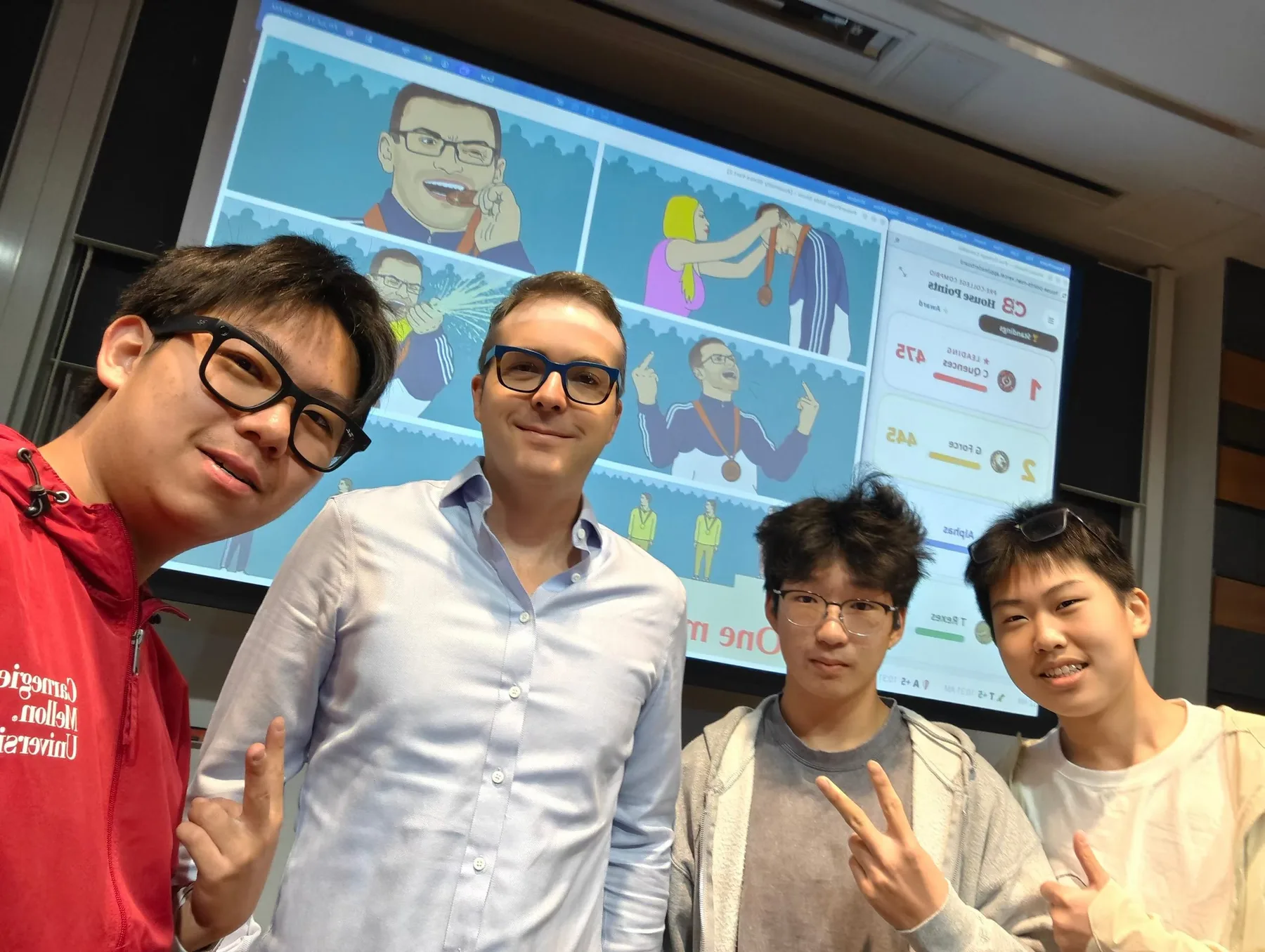
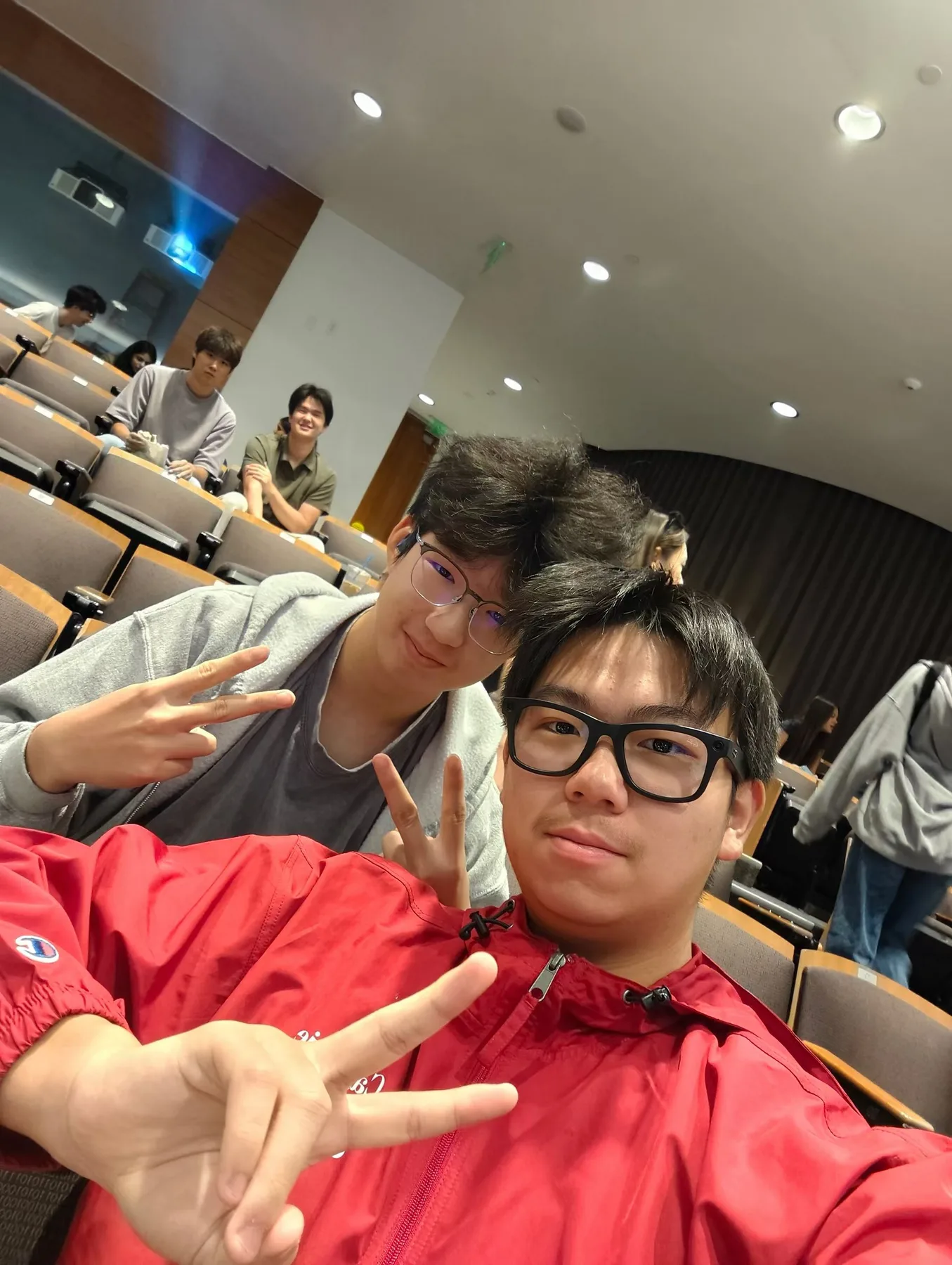
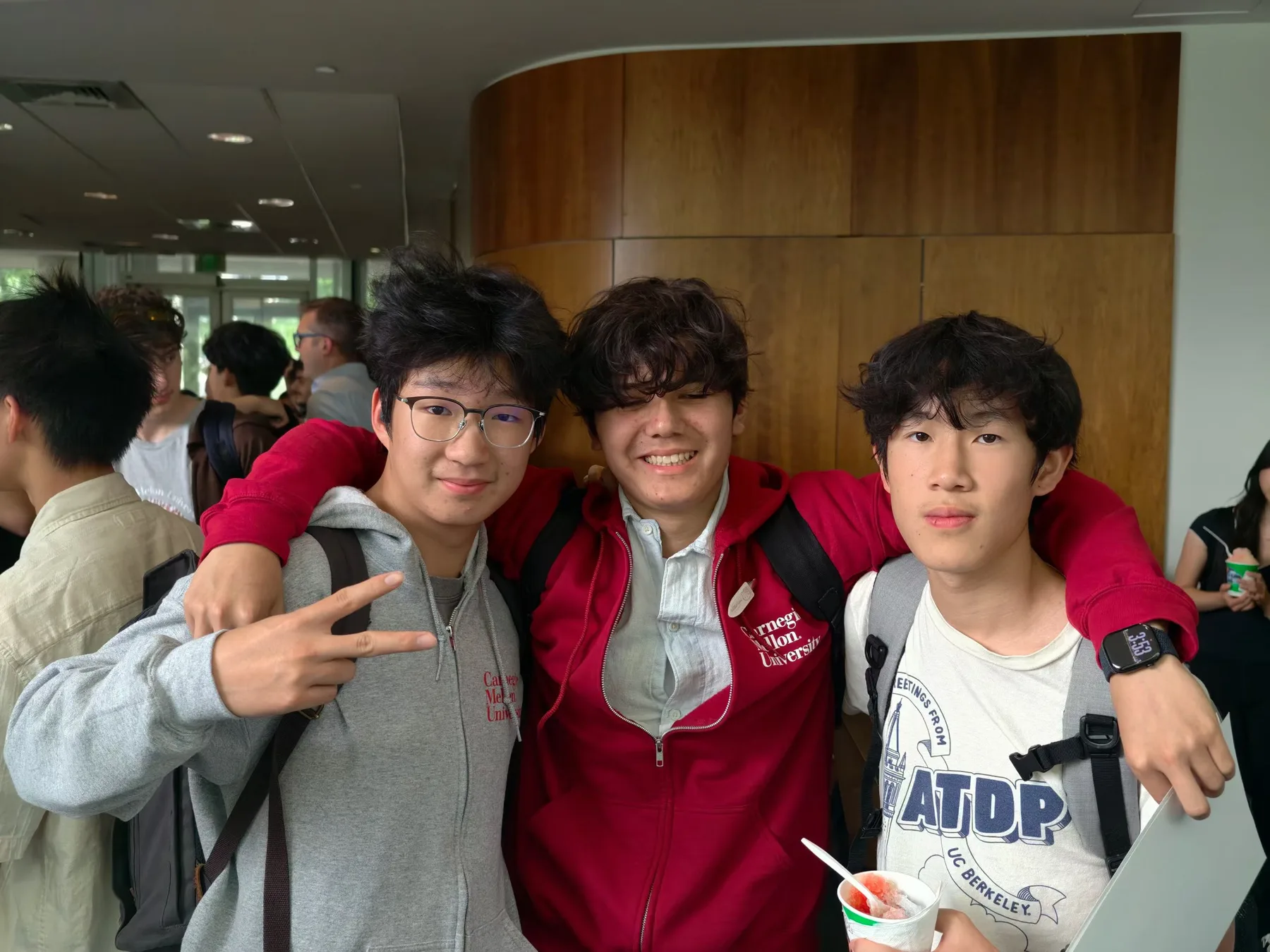
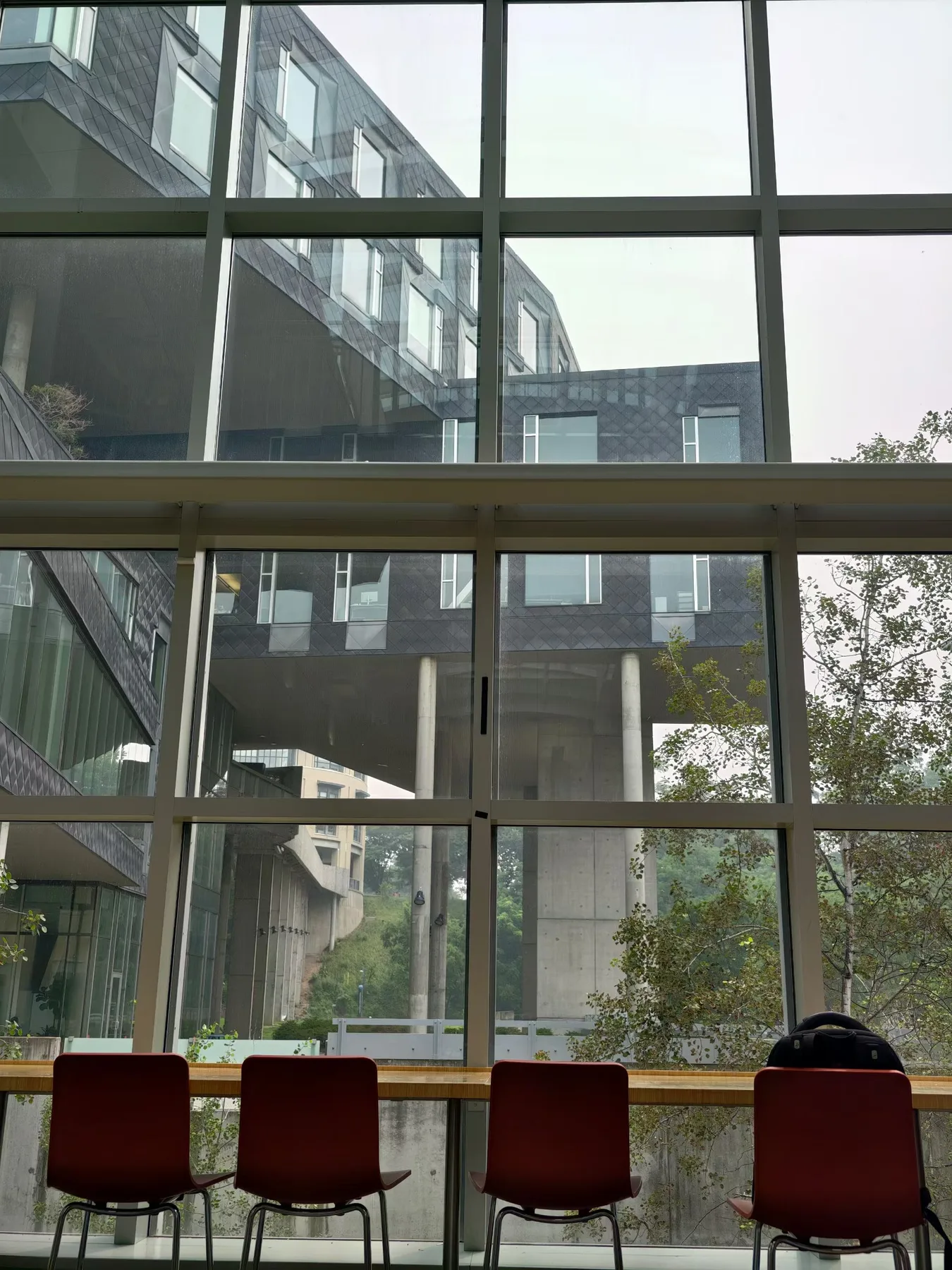
CMU Moments
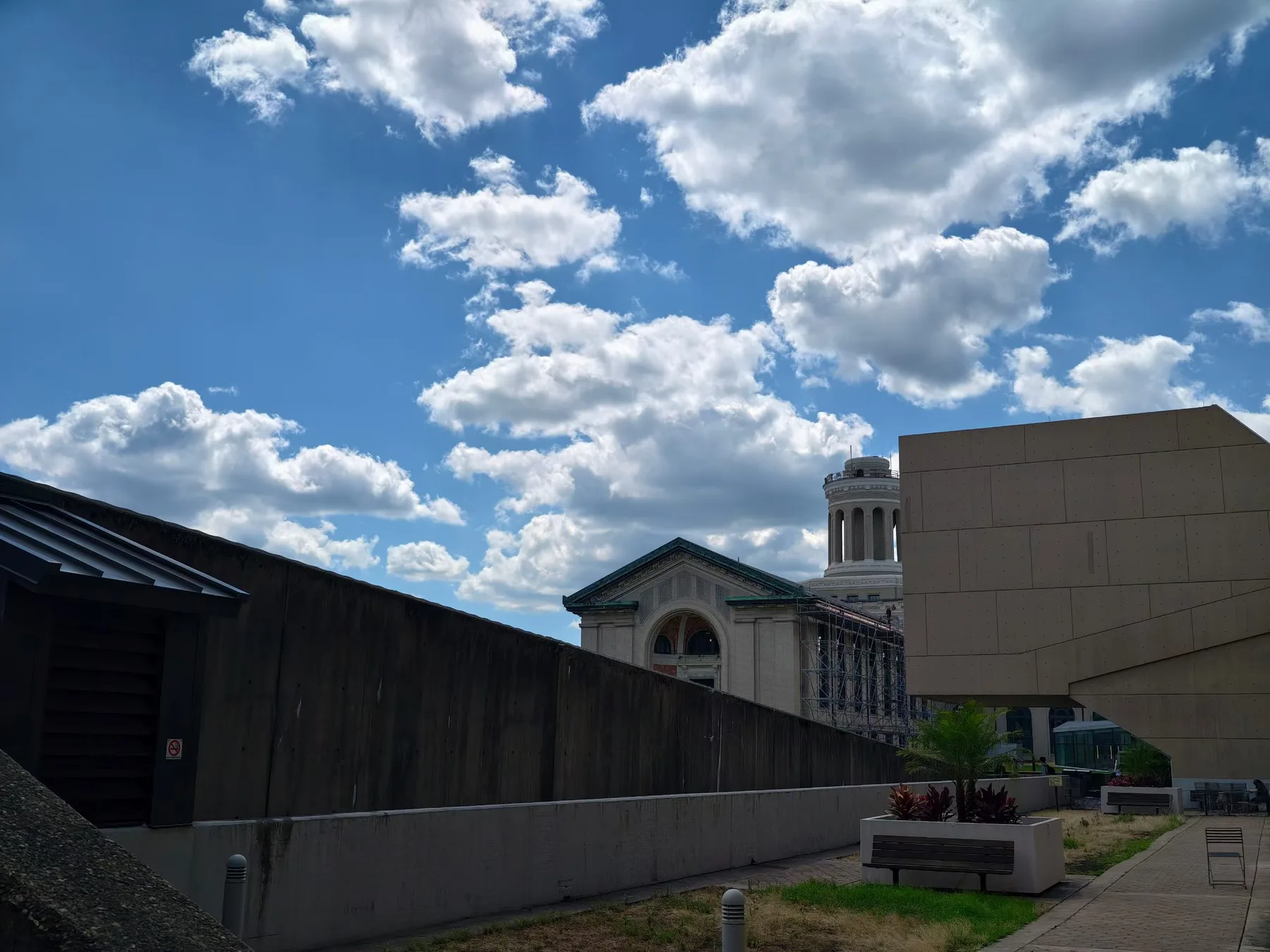
A few snapshots of the people, study spaces, and campus life from my time at CMU.





研究问题
晶体学 B-factor 能否帮助预测交叉对接难度,并为集成对接提供参考?
为什么重要
选择合适的蛋白质结构,是计算对接流程的重要环节。
个人贡献
已记录的个人贡献包括流程架构、交叉对接和集成对接阶段。
研究方法
流程结合蛋白质结构处理、分子对接,以及结构指标和对接指标的分析。
结果与证据
项目记录包含 CDK1、CDK2 与胰蛋白酶的实验,以及分析表格和可视化。
局限
对接结果与结构相关性属于计算证据,不是治疗方法的临床或实验验证。
反思与下一步
补充流程图,并简要说明发现及其局限。
CMU 学习生活
记录在 CMU 期间的合照、学习空间与校园日常。